
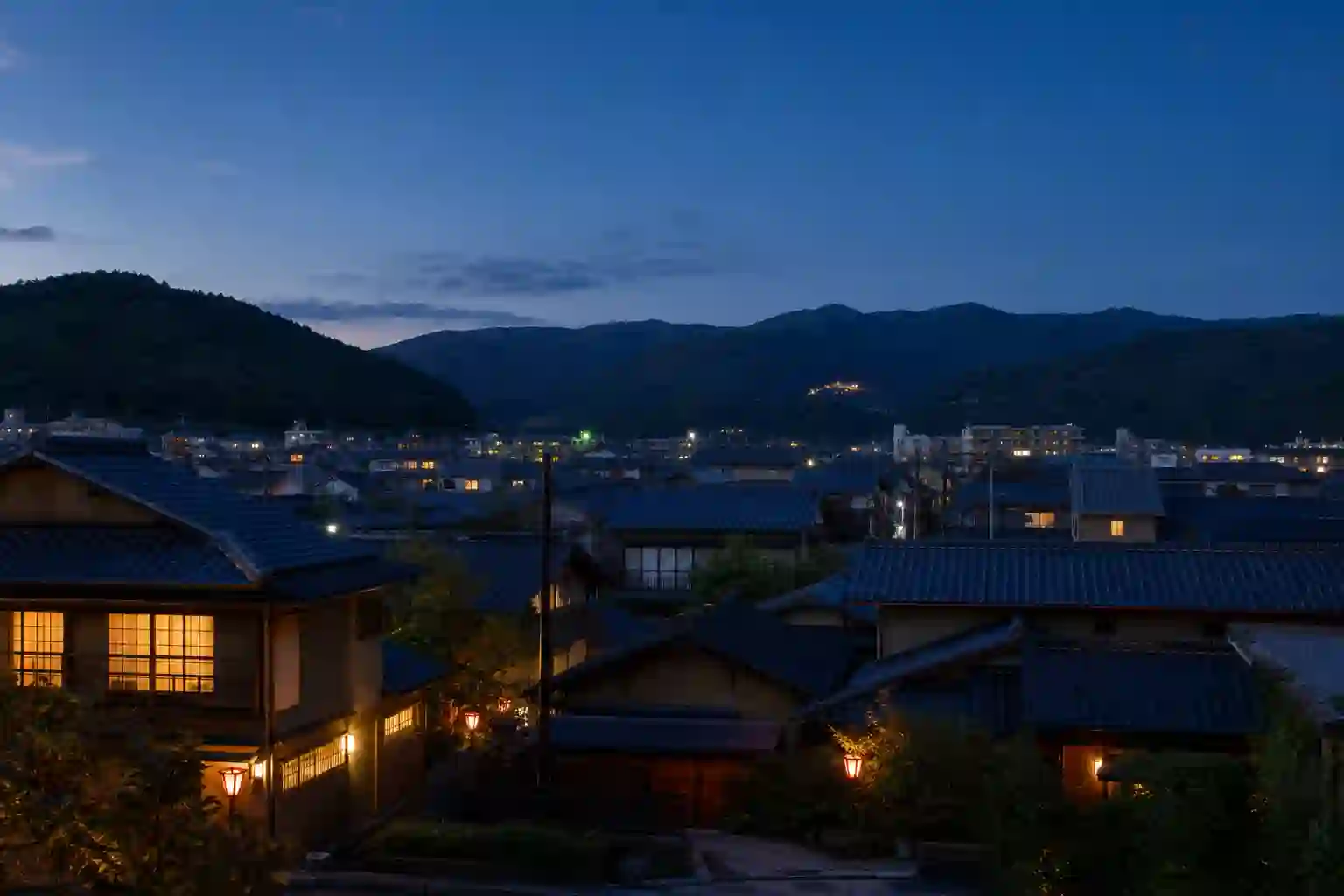
Kyoto’s most striking summer evening is almost here. On Sunday, August 16, the mountains around the city will carry the five fires of Gozan Okuribi—the ritual that closes the Obon season by symbolically sending ancestral spirits on their way. It is beautiful, moving and, frankly, easy to experience badly if you treat it like a festival you can sprint between.
This year, Kyoto City is asking visitors to plan with the heat and the crowds in mind. Here is the useful version of the advice: understand what you are watching, choose a sensible place to be, and keep a broadcast option in reserve.
What Gozan Okuribi actually is
“Gozan” means five mountains. “Okuribi” is a send-off fire. The five large characters and shapes—Daimonji, Myoho, Funagata, Hidari Daimonji and Toriigata—are lit on separate mountains around Kyoto. Together they form one of the city’s best-known Obon observances.
That meaning matters. This is not a fireworks show or a pop-up light installation. The fires belong to a religious and local tradition, and the evening is shared by residents, visitors, preservation groups and the people who maintain the mountains year after year. You do not need to perform the ritual yourself, but a little restraint goes a long way: watch quietly, stay out of private spaces and follow the instructions of staff and volunteers.
Kyoto’s official visitor guide gives the background to the five fires and places the event in the wider calendar of Kyoto festivals. It is a useful primer if you have only seen the name in a travel itinerary.
What is confirmed for August 16, 2026
Kyoto City’s current notice confirms that Gozan Okuribi will take place on Sunday, August 16, 2026. The city also says that the evening can draw heavy crowds and that the heat is a real concern. Its practical recommendation is refreshingly sensible: if the conditions are rough, watch from your accommodation or another comfortable indoor place instead of forcing an outdoor viewing plan.
The same notice points to official television and internet coverage from KBS Kyoto and BS11, scheduled from 7:00 to 8:55 p.m. That is not a consolation prize. A broadcast lets you see the sequence clearly, stay hydrated and avoid turning a meaningful local event into a competition for a patch of pavement.
Weather can also affect the evening. Kyoto City notes that strong wind or other conditions may change the ignition timing. Treat any timetable you see on social media as provisional unless it matches the latest official announcement.
If you are interested in gomagi, the small prayer sticks associated with the ritual, do not assume that every mountain uses the same collection method. The reception dates and locations are managed locally by the preservation associations. The Kyoto Gozan Okuribi Federation is the right place to check those details rather than relying on an old blog post.
A calmer way to plan the evening
Choose one viewing plan, not five
Kyoto’s geography makes the five fires look close together on a map, but moving across the city while thousands of other people are doing the same is not a clever way to see them. Pick one neighbourhood or an accommodation view that works for you, then settle in. A clear, unobstructed view of one fire is a better evening than seeing fragments of several while stressed and overheated.
Arrive early and leave room for the return trip
Public transport is the sensible default, but trains and buses will be busy. Give yourself time to walk from the station, find the place you are actually allowed to stand, and refill water before the fires begin. Do not build a late dinner reservation on the assumption that you can cross town immediately afterward. When the crowds move, short distances take longer than they look.
Take the heat seriously
August evenings in Kyoto can remain hot after sunset. Bring water, a hat or umbrella for the walk, and something salty if you are prone to feeling faint. Wear shoes you can comfortably stand and walk in. If you feel dizzy, stop watching and get somewhere cool. No photograph is worth a heat-related emergency.
Be careful around rivers and dark paths
Riverbanks are tempting viewing areas, but they become difficult places to navigate after dark, especially when people are standing, sitting and moving in groups. Keep away from edges, respect barriers and do not squeeze into a spot that blocks a path. A quieter legal viewpoint is always the better choice.
Small mistakes that make the night worse
- Do not climb a mountain or enter a fire site just because it looks like a shortcut to a better photograph.
- Do not treat temple grounds, school grounds, apartment entrances or private roads as public viewing platforms.
- Do not bring a large tripod or stop in the middle of a narrow street. Keep moving space open for residents and emergency access.
- Do not trust a “secret best spot” post without checking whether the place is open and whether the information is current for 2026.
- Do not light anything yourself. The fires are prepared and managed by the local organizations responsible for them.
These are not dramatic rules; they are basic ways to avoid making the evening harder for the people who live in Kyoto. The city’s current cooperation notice is the best last-minute check for crowding, heat and weather-related guidance.
Watching from indoors is still experiencing Kyoto
There is a particular pressure to prove that you “did” Kyoto by being outside for every famous moment. Gozan Okuribi is a good reason to drop that habit. The fires are visible for only a short time, while the practical risks—heat, crowding, poor footing and a difficult journey home—can last much longer.
If your hotel, ryokan or holiday rental has a safe view, ask where you can watch without leaning out of a window or blocking shared spaces. Otherwise, use the official broadcast, turn down the lights, and let the sequence arrive on screen. You will see more than someone racing between blocked streets, and you will leave room for the local meaning of the night.
For a broader Kyoto visit built around respectful, well-paced walking, you can also browse Japanify Tours’ Kyoto experiences. Keep August 16 simple: one plan, plenty of water, and a little patience.
Bottom line: Gozan Okuribi is on Sunday, August 16, 2026. Check the official Kyoto City notice on the day, expect heat and crowds, and use the official 7:00–8:55 p.m. coverage if outdoor viewing stops being comfortable. The best way to experience this Kyoto tradition is to leave the city—and its residents—room to breathe.